Summary:
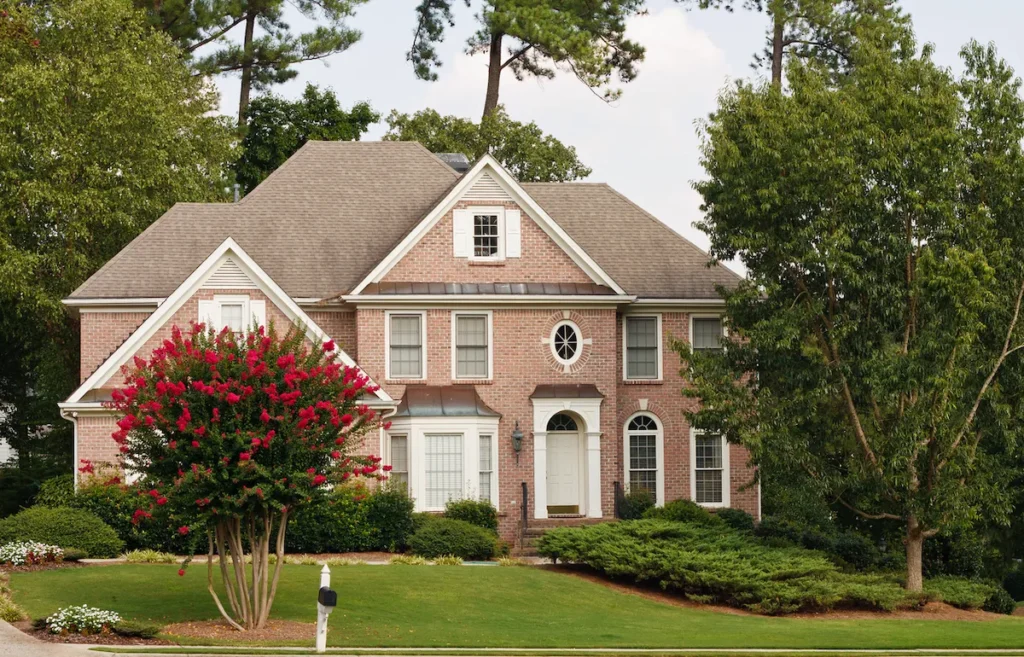
Dwarf and small ornamental trees offer beauty, functionality, and easier maintenance compared to towering species. Typically maxing out at 30 feet, these trees enhance curb appeal, attract pollinators, provide shade, and fit well in small yards or near structures thanks to their generally non-invasive roots. Many can even be container-grown, making them versatile for decks and patios.
Popular options include fruit-bearing varieties like the Jelly King Crab Apple, with showy blossoms and edible fruits, and the Serviceberry, which produces colorful berries enjoyed by birds. Flowering species such as Japanese Maple, Redbud, Hawthorn, Saucer Magnolia, Carolina Silverbell, Dogwood, and Crape Myrtle add vibrant seasonal colors. For fragrance, options like Wintersweet, Banana Shrub, Fringe Tree, and Powder Puff provide delightful scents, often blooming in cooler months when color is rare. Unique species like the Golden Chain Tree and Royal Purple Smoke Tree bring dramatic flowers and foliage but may require extra care.
Many dwarf trees thrive in specific USDA hardiness zones, with preferences for sun or partial shade and well-drained soils. Some, like Chaste Tree and Crape Myrtle, are drought-tolerant and ideal for hot climates, while others, such as Japanese Camelia and Saucer Magnolia, prefer acidic, moist soils and sheltered locations. The Royal Star Magnolia and Fringe Tree bloom early and require protection from frost, while Hawthorn trees may need disease management.
Beyond aesthetics, these compact trees improve home value, provide habitat for wildlife, and require less pruning and water than larger species. Whether chosen for their flowers, foliage, fruit, fragrance, or seasonal interest, dwarf trees offer homeowners an accessible way to elevate landscaping with year-round beauty and functionality.
Bob Vila
Read the Full Article